Organ Donation Is Highly Regulated in the United States: safe, ethical, and the standard for the rest of the world.
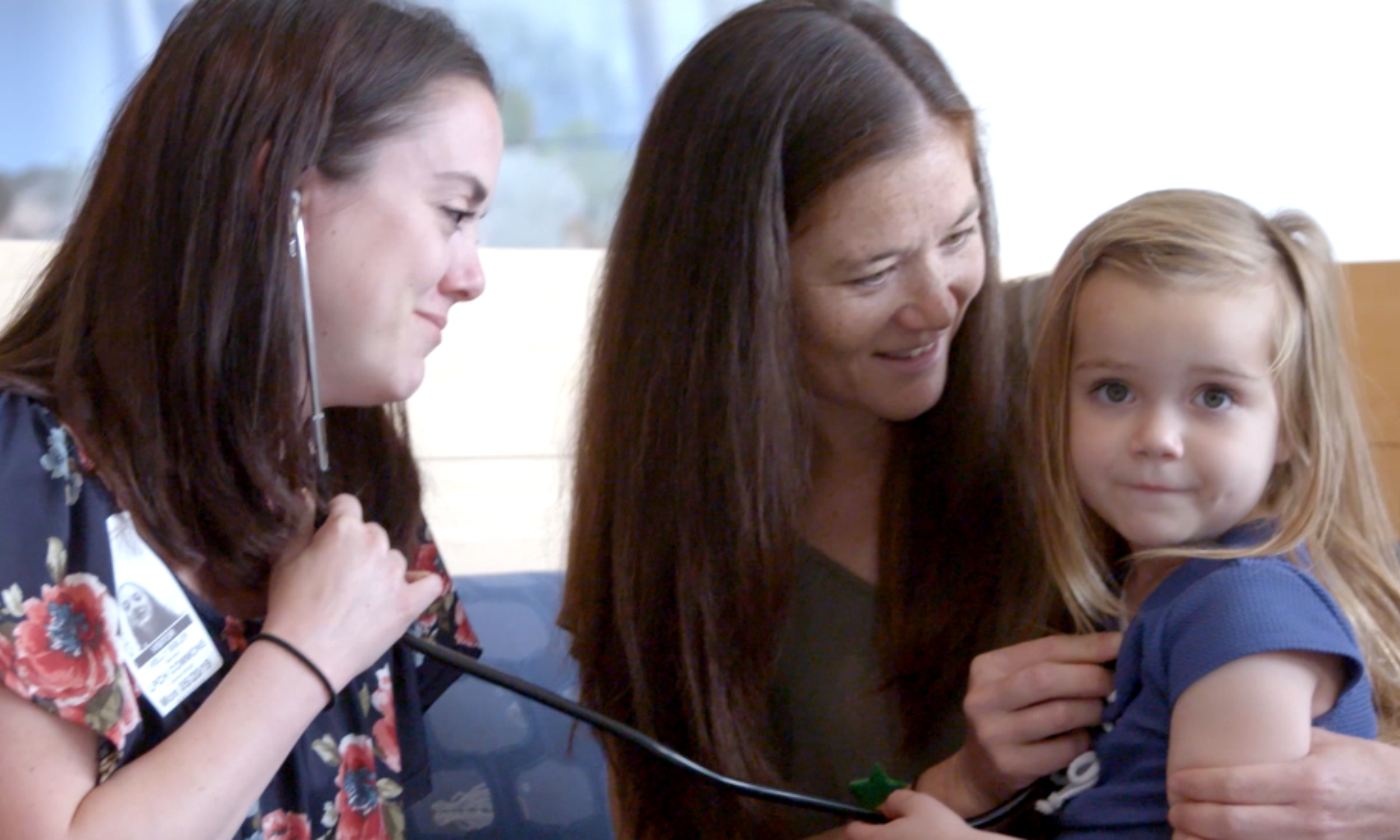
Pictured is Hana Yogo, who received a new heart, thanks to a heroic donor. She and her family had the opportunity to meet her young donor's family for the first time in 2019. Click the image to learn more. Photo and story credited to Stanford Medicine.
The Facts About Organ Donation
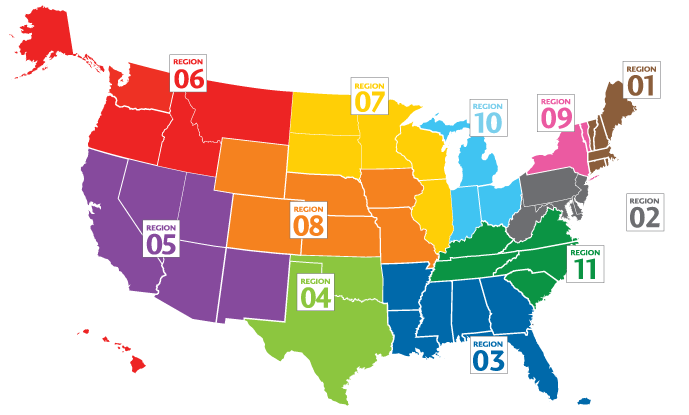
Organ Procurement Organizations, or OPOs, are federally regulated organizations tasked with facilitating the recovery of organs and tissue for transplantation within their Donor Service Area. The United States had 55 such organizations. All are nonprofit organizations; their funding comes from reimbursement from Medicare, and contracting with tissue and eye banks. Thanks to OPOs in the U.S., our transplantation system is the envy of the world: there were 49,065 transplants in 2025, from both living and deceased donors.
According to the Association for Organ Procurement Organizations, which represents OPOs, this system was created when the National Organ Transplant Act (NOTA) was signed into law in 1984, resulting in the Organ Procurement and Transplantation Network (OPTN) for matching donor organs to waiting recipients. The OPTN not only standardized the process, but created the OPO system. OPTN is managed under contract by the United Network for Organ Sharing (UNOS). The Centers for Medicare & Medicaid Services has oversight of all OPOs to maintain their certification and reimbursement eligibility. (The Food and Drug Administration provides oversight on tissue and cornea transplants.) The system is highly regulated and highly ethical to ensure the safety of patients.

The government and the media have maligned OPOs, making it appear as if OPOs are pressuring families to take their loved one's organs, and worse still, killing people for their organs and operating outside the law and ethical framework that tightly govern OPOs. Both claims are unequivocally false.
No OPO leader or staff member anywhere in the United States has been charged or convicted of killing someone for organs.
Indeed, when we talk about the system being highly ethical, there is a purposeful divide between what the OPO does — recovering organs for transplantation — and what the hospital does — upholding the highest standards for patient care. The OPO does not become involved in a case until the donor's physician has declared death. A patient’s physician does not know your donor status nor would they have the capability of checking the system. If for whatever reason, it is determined that a patient is not dead, then patient care continues and the OPO walks away from the case.
In the United States, hospitals are legally required to inform the OPO that they have a potential patient meeting certain clinical criteria that could make them eligible to be a donor. That is why it’s crucial to share with your loved one’s your donation decision.

The organ donation and transplantation system is built on a foundation of trust, and involves hundreds of people and numerous organizations working together to ensure a successful transplant outcome for someone waiting for that gift. More than 109,000 men, women, and children in the U.S. are waiting for that gift and depend upon on it for their second chance at life. When the government and media fan the flames of fear and sew mistrust, it risks upending that delicate system.
Less people registering as an organ donors because they heard a misrepresentative, fearful story in the media or at a government press conference means less potential lives saved and healed. In the past two years, thousands of Americans have removed themselves from the donor registry because they heard misinformation and/or were fearful of the system.
Facts:
OPOs do not steal organs and do not kill people for their organs.
OPOs do not declare death.
Patient care and being compassionate-forward with donor families is always the #1 priority.
Real Justice Comes from Honoring the Gift
Here are five facts about organ donation.